
Local SEO for Small Business: A 6-Week Plan That Works in 2026
– Dream Byte Solutions
Local SEO helps nearby customers find your business on Google Maps, search results, and AI answers. You do not need an agency or a big budget to start. You need the right tasks in the right order. This guide gives a simple six-week plan built for a busy owner with about five hours a week, based on 2026 research. It also covers the new part most guides skip: how AI tools pick which local businesses to recommend.
Get a Free Quote
Most local SEO guides give you 80 tasks and no order. So owners pick the easy ones, like fixing a footer, and skip the ones that matter.
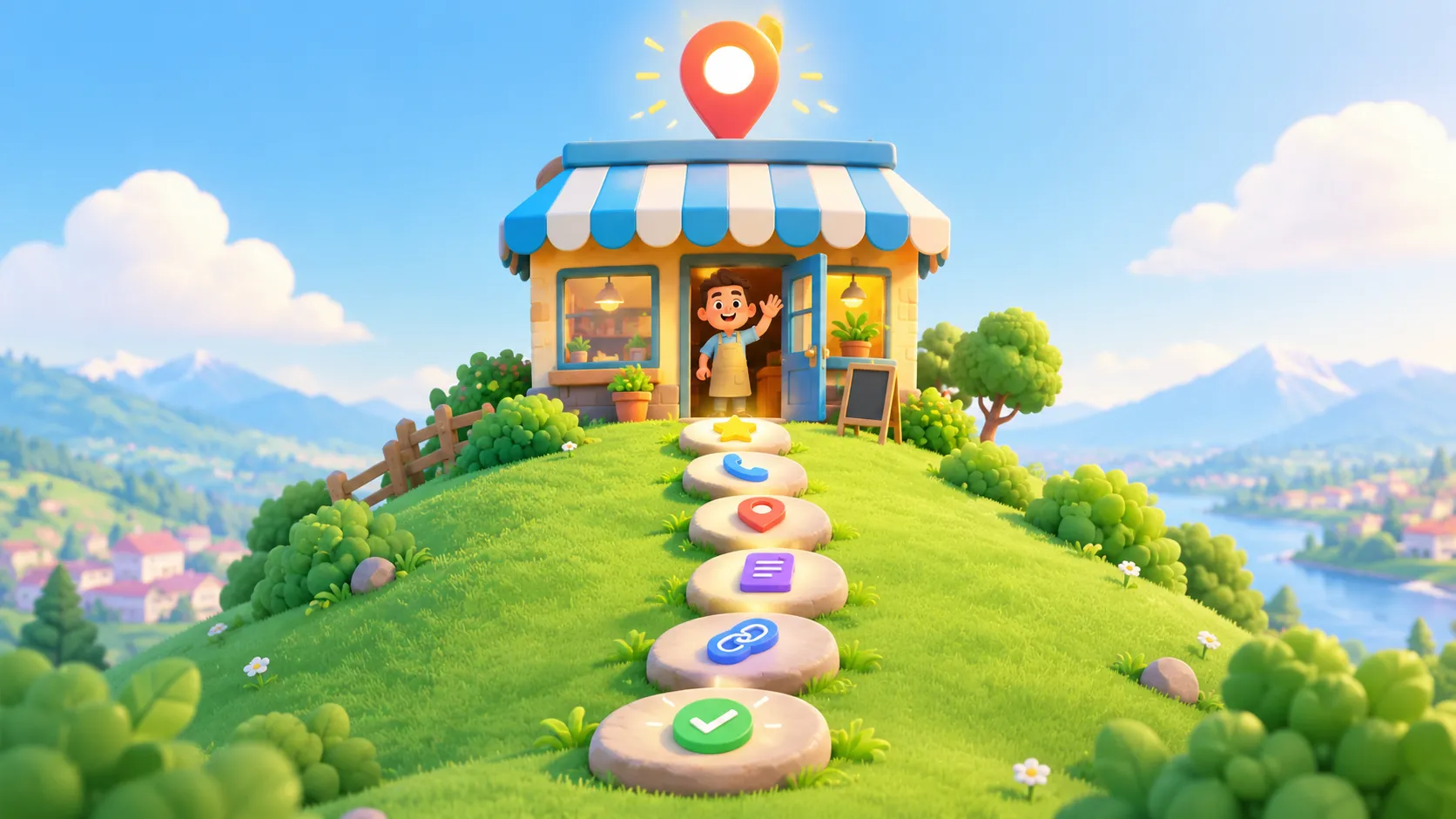
This guide fixes that. It is a six-week plan, ordered by impact, and each week fits in about five hours.
Here is the idea in one line. Local search is not only about being first. BrightLocal’s 2026 research, as reported by Morningscore, found that only 6% of local searchers just click the top result. Distance, star rating and number of reviews all mattered more. So the goal is not “rank #1”. The goal is to look close, trusted and active to anyone who searches.
Last updated: October 2026. Weeks 1–2: Fix your Google Business Profile and start collecting reviews.
Week 1, your profile (about 5 hours):
Claim and verify your profile. An unverified profile may not show at all.
Pick the right main category. This is the biggest setting you control.
Make your name, address, phone number and opening hours exact and current.
Upload real photos of your shop, team and work.
Week 2, your reviews (about 5 hours):
Look up the top three businesses in your area for your main service. Write down their review counts and ratings. That is your real target, not a national average.
Set up one simple way to ask every customer for a review, like a text with your review link.
Reply to every review you already have.
Customers weigh star rating and review count heavily, so this is the best use of your first two weeks.
Weeks 3–4: Make your website say clearly what you do and where.
This step is bigger than most owners expect. In Whitespark’s 2026 survey of 47 local SEO experts, on-page signals made up about 33% of local organic ranking influence, ahead of Google Business Profile, links and citations. These are expert opinions, not Google’s confirmed numbers, but the direction is clear.
What to do:
Make one page for each main service. Do not put five services on one page.
Put the service and the city in the page title and the main heading, for example “Boiler Repair in Meerut”.
If you serve several areas, make a real page for each, with real local details. Do not copy the same page and swap the city.
Check that you do not have three pages aiming at the same phrase. They compete with each other and all three rank worse.
The same survey ranked a dedicated page per service second among AI visibility factors. So this work helps in AI answers too.
Week 5: Build your listings and mentions.
Citations are places online that list your business name, address and phone number. Their weight in traditional local ranking is small, about 7% in Whitespark’s older study. In AI search the picture is different. Whitespark’s 2026 research puts citations at about 13% of AI visibility factors, and three of the top five AI factors are citation or mention related.
Yext studied 6.8 million AI citations across ChatGPT, Gemini and Perplexity. For questions with local intent, business listings made up 42% of the sources cited.
What to do:
List your business on the main places: Google, Bing Places, Apple Maps, Yelp, and the top directories for your industry.
Use the exact same name, address and phone number everywhere.
Do not chase 40 directories. A few trusted ones are enough.
Get mentioned by real local sources: your chamber of commerce, local news, a local event you sponsored.
Week 6: Check how AI sees you, then set up simple tracking.
AI is now the third most popular way people find local businesses, after Google and personal recommendations, according to a 2026 summary by Loganix. But it has not replaced Google. Yext’s 2026 report found that 53% of people who used AI for local search still checked Google or Bing before acting.
What to do:
Ask ChatGPT, Gemini and Perplexity: “best [your service] in [your city]”. Note who gets recommended and which sites they cite.
If you are missing, look at those cited sites. That is where you need a listing or a mention.
Track three numbers each month: calls, direction requests, and website visits from Google Business Profile and Search Console.
Do not expect results in week 6. Local SEO takes months. Use these numbers to see if the direction is right.
If you only have time for three things, do these: verify and fix your Google Business Profile, build a steady flow of recent reviews, and make one clear page per service with the city in the title. Then add listings and local mentions so both Google and AI tools can confirm you are real. Most small businesses skip the order, not the tasks. Follow the six weeks in sequence, check your results each month, and do not trust any promise of fast ranking. The plan works because it makes your business easy to find, easy to trust and easy to recommend.


Trusted by World Leading Brands