
Does SEO Still Work in 2026? What the Data Actually Shows
– Dream Byte Solutions
Yes, SEO still works in 2026, but not the way it did a few years ago. Rankings still matter, yet AI Overviews now answer many searches before anyone clicks, and the top result gets far fewer visits when one appears. This guide separates what the data actually proves from the hype: which numbers are solid, which are disputed, what has stopped working, and how to measure success when clicks are no longer the whole story.

Get a Free Quote
Yes, SEO still works in 2026, but it works differently. A page that ranks well can still be found, trusted, and cited. What has changed is what a ranking is worth in clicks. On many searches, Google or an AI tool now gives the answer directly, so fewer people visit any website at all.
That is why you hear two opposite stories. One says SEO is dead because traffic reports look worse. The other says nothing changed because rankings still matter. The data says both are half right. Below is what is proven, what is still disputed, and what to do about it.
Last updated: September 2026. The figures below come from studies published in 2025 and 2026. What has clearly gotten worse: clicks. When Google shows an AI Overview (the AI-written summary at the top of results), fewer people click anything below it. In Ahrefs' data, the top-ranking page gets about 58% fewer clicks when an AI Overview is present, up from about 35% in its own study earlier in 2025. Seer Interactive found that on informational searches with an AI Overview, organic click rates fell from 1.76% to 0.61% between June 2024 and September 2025.
where some users saw the AI Overview and others did not: showing it cut organic clicks by about 40%. That design avoids the query-mix problem Google raised about other research, though a Google search executive has still said the web is "thriving."
Zero-click searches, which end with no click at all, reached 68% of US Google searches in early 2026, up from 60% in 2024. One caution: SparkToro used a different data provider for 2026 than for 2024, so the size of the jump is uncertain even though the direction is clear.
What still works: rankings, and the trust behind them. AI answers do not come from nowhere. Ahrefs found that 76% of AI Overview citations come from pages already ranking in Google's top 10, and most AI assistants search the web while they answer, so ranking well in Google, Bing, or Brave raises your chance of being mentioned. SEO is now the entry ticket to AI visibility, not a rival to it.
Being cited seems to help as well. Seer found that brands cited in an AI Overview earned 35% more organic clicks than brands that were not, though the researchers say this shows a link, not proof of cause. SEO also still builds an asset that keeps paying: Ahrefs reports that guides it published years ago still bring in visitors and leads, and Google still holds about 89% of global search.
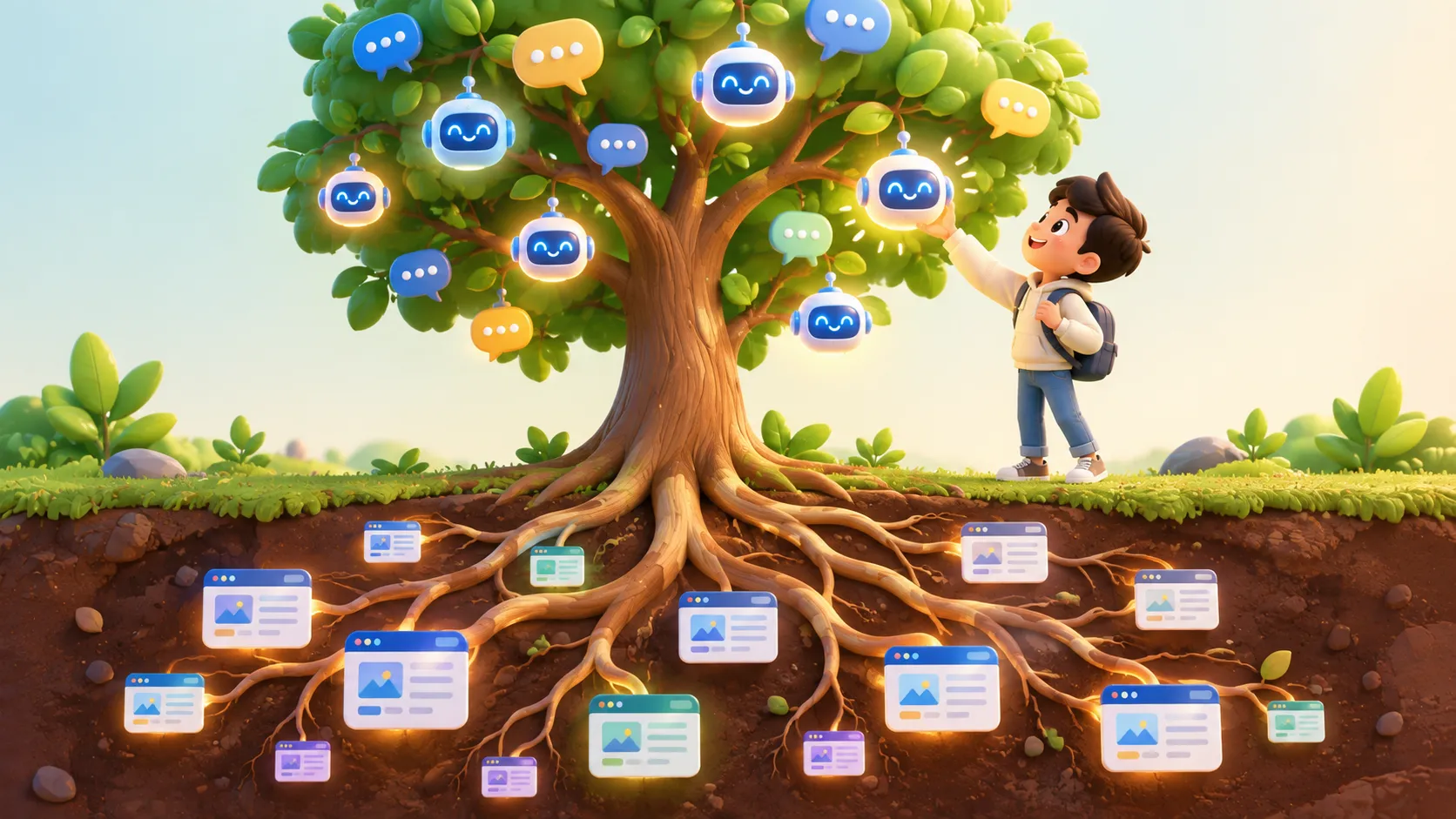
Where the damage is biggest. Nearly 88% of queries that trigger AI Overviews are informational, so posts that answer simple "what is" and "how to" questions lose the most. Seer's data also shows that informational searches without an AI Overview lost about 41% of their organic click rate in a year, so the AI summary is not the only cause.
Do not treat paid ads as the escape. On those same informational queries, paid click rates fell 68%. Also be careful with headline numbers: estimates of how often AI Overviews appear range from more than 20% of searches in SparkToro's data to 43% in Similarweb data reported in July 2026. Check your own Search Console data by query type before deciding what to change.
What to do about it. Keep the SEO basics: a site search engines can crawl, pages that truly help, and links from trusted sites. They feed both rankings and AI citations. Then add three habits.
First, write answer-first pages. Put the main answer in the first two sentences, back it with a number and a named source, and use headings that sound like real questions. This suits featured snippets and AI tools alike. Second, measure more than visits. Watch impressions and average position in Search Console, check whether AI tools cite you for your key questions, and track brand searches and conversions. A page can lose clicks and still be doing its job. Third, make each click count. If fewer people arrive, every visit needs a clear next step, such as a signup or a demo.
So, does SEO still work? Yes, if you define "works" correctly. Rankings still decide who gets seen and who gets cited by AI, but each ranking is now worth fewer clicks, especially on informational searches. Traffic alone is a weaker score than it used to be, so judge SEO by impressions, citations, brand searches, and conversions. Not every number in this debate is settled. The size of the zero-click jump and the real effect of being cited are both still argued over, so check your own Search Console data before you change your plan.

Trusted by World Leading Brands